
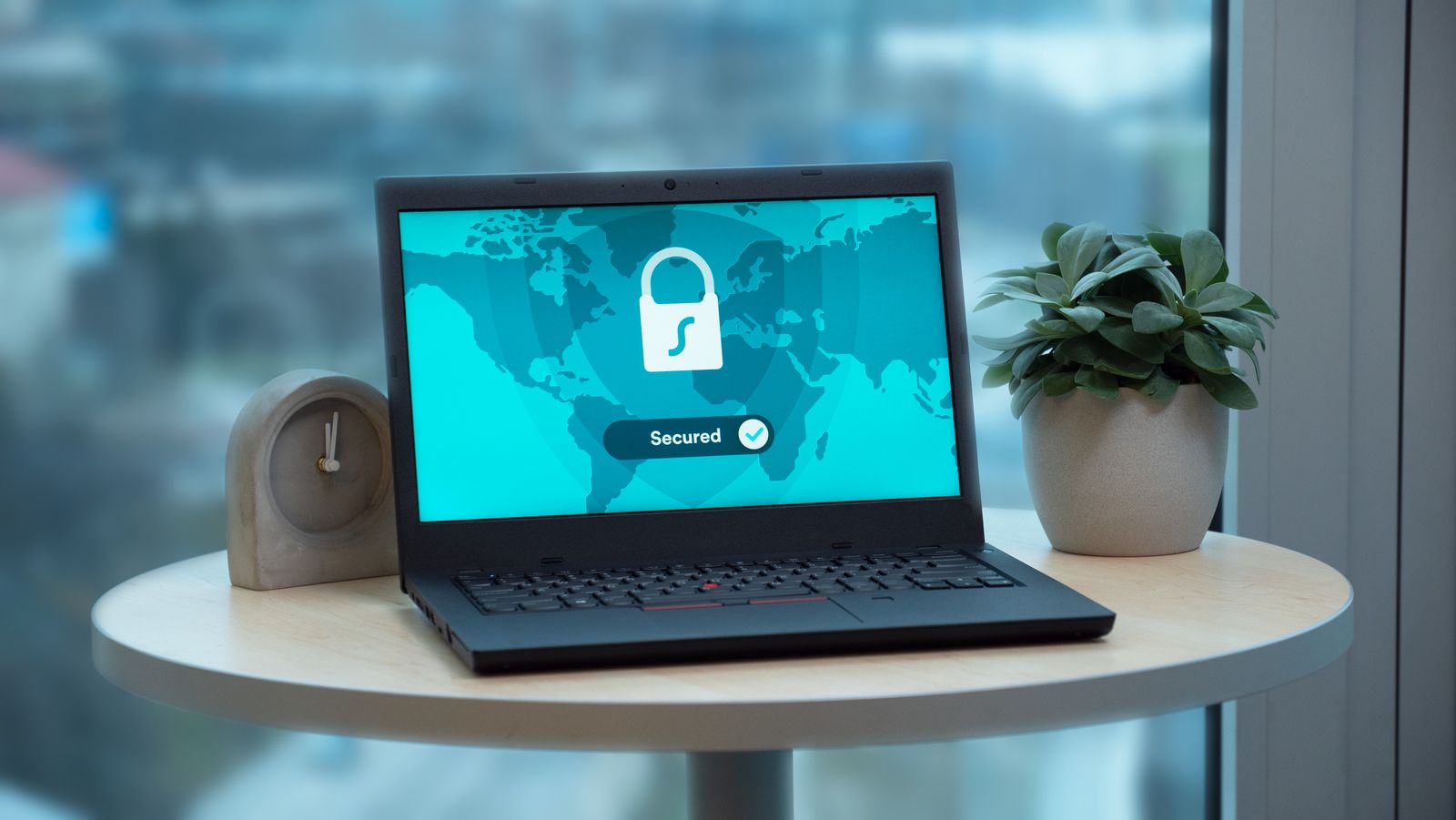
- Traditional VPNs were designed around network access, while modern private access is designed around application-level authorization.
- Zero Trust Architecture shifts access decisions toward identity, device posture, context, policy and continuous verification.
- Least-privilege private access reduces lateral movement risk and improves control over contractors, partners and distributed teams.
- AI, data and tokenized asset workflows need private access that understands identity and workload context, not only IP ranges.
For many years, the default way to reach private business systems was simple: connect to a VPN, enter the network and then access internal applications. That model was practical when most infrastructure lived inside one perimeter and most users worked from predictable locations. It fits modern infrastructure poorly.
Today, applications are distributed across cloud, on-premises environments, partner systems, data platforms and AI services. Users include employees, contractors, vendors, service accounts and automated workloads. Giving broad network access to all of them creates unnecessary risk and often produces a slow, frustrating user experience.
Why the VPN model is breaking down
A VPN typically extends a trusted network boundary to a remote user. That creates a familiar problem: once a connection is established, the user may be closer to more resources than the actual task requires. Controls can be layered on top, but the model still starts with network reachability.
Modern security needs a narrower default. A developer may need access to one staging service, not an entire subnet. A partner may need a reporting portal, not database reachability. A support workflow may need a time-limited session into one application, not a durable network tunnel. The more distributed the business becomes, the more dangerous broad access becomes.
What private access should mean
Private access should mean access to a specific application, service or workflow under a specific policy. The user, device, location, authentication strength, role, risk signal and requested resource should all shape the decision. The goal is not to move the old perimeter into the cloud. The goal is to remove unnecessary trust from the access path.
NIST describes Zero Trust Architecture as an approach where access to enterprise resources is based on explicit verification and policy decisions rather than implicit trust from network location. NIST SP 1800-35 extends that concept into practical implementation scenarios for distributed enterprise environments.
Identity, context and least privilege
Private access depends on identity, but identity alone is not enough. A valid user account does not automatically mean that every request should be allowed. A better access decision combines who the user is, what device they are using, where the request comes from, which application is requested, how sensitive the action is and whether the session still matches policy.
This is where least privilege becomes operational. Access is not a permanent all-or-nothing grant. It becomes a policy result that can be scoped, time-bound, logged and revoked. Contractors can get access to one workflow. Internal teams can get application-level permissions. Automated workloads can use service identity instead of shared network trust.
Application-level access is safer than network-level access
Application-level access reduces the blast radius of a compromised account or device. Instead of placing a user on a private network, the access layer brokers a connection only to the approved application. This makes lateral movement harder and gives security teams a clearer place to enforce policy.
Cloudflare and Zscaler both frame VPN replacement around this shift: move from network tunnels to identity-aware, policy-controlled private application access. The exact products differ, but the architectural direction is consistent. The access layer should decide what a user can reach, not simply whether they can join the network.
How private access supports AI, data and tokenized workflows
Private access is becoming more important as AI and data workflows connect sensitive systems. An AI assistant may need to read a knowledge base, call an internal tool, query structured records or execute an approved action. If that access is implemented with broad network trust, the risk grows quickly.
Tokenized asset workflows raise similar requirements. A user or service may need to verify eligibility, access asset documents, update operational records or trigger a controlled transaction. Those actions should be bound to identity, role, credential state and policy. Private access provides the protected path between the user, the application and the data layer.
What teams should evaluate
Before replacing or reducing VPN usage, teams should map the access model they actually need.
- Applications: which private applications, services and workflows need to be reachable?
- Users and workloads: who or what needs access, including employees, partners, contractors and automation?
- Policies: which identity, device, location, role and risk signals should control access?
- Session control: when should access expire, be rechecked or require stronger authentication?
- Observability: which access events need to be logged for security, compliance and operations?
- Fallbacks: how should critical operations continue if an access broker or identity provider is unavailable?
The Chainzano perspective
Privacy networking should be treated as product infrastructure. It is not only a security feature; it shapes how safely users, services, agents and partners can interact with sensitive systems. A strong private access layer makes it easier to expose useful workflows without exposing whole networks.
For Chainzano, private access connects naturally with digital identity, decentralized data, AI compute and tokenized assets. Identity determines who is allowed to act. Data infrastructure determines what records exist. AI systems automate or assist workflows. Tokenized assets add ownership and settlement logic. Privacy networking gives those components a protected path to work together.
The practical direction is clear: move from network trust to workflow trust. Give each participant the access they need for the task, verify continuously and keep the rest of the infrastructure private by default.