
Chainzano Blog
Build a clearer operating model for AI and HPC infrastructure
Chainzano articles cover enterprise hardware, AI compute, infrastructure control, predictive operations and the supporting technologies used in real delivery programs.
Start here
Ideas that turn infrastructure into a product advantage
Read practical explainers, product perspectives and adoption notes that help connect strategy with real systems: hardware, compute, control, operations, networking and data.
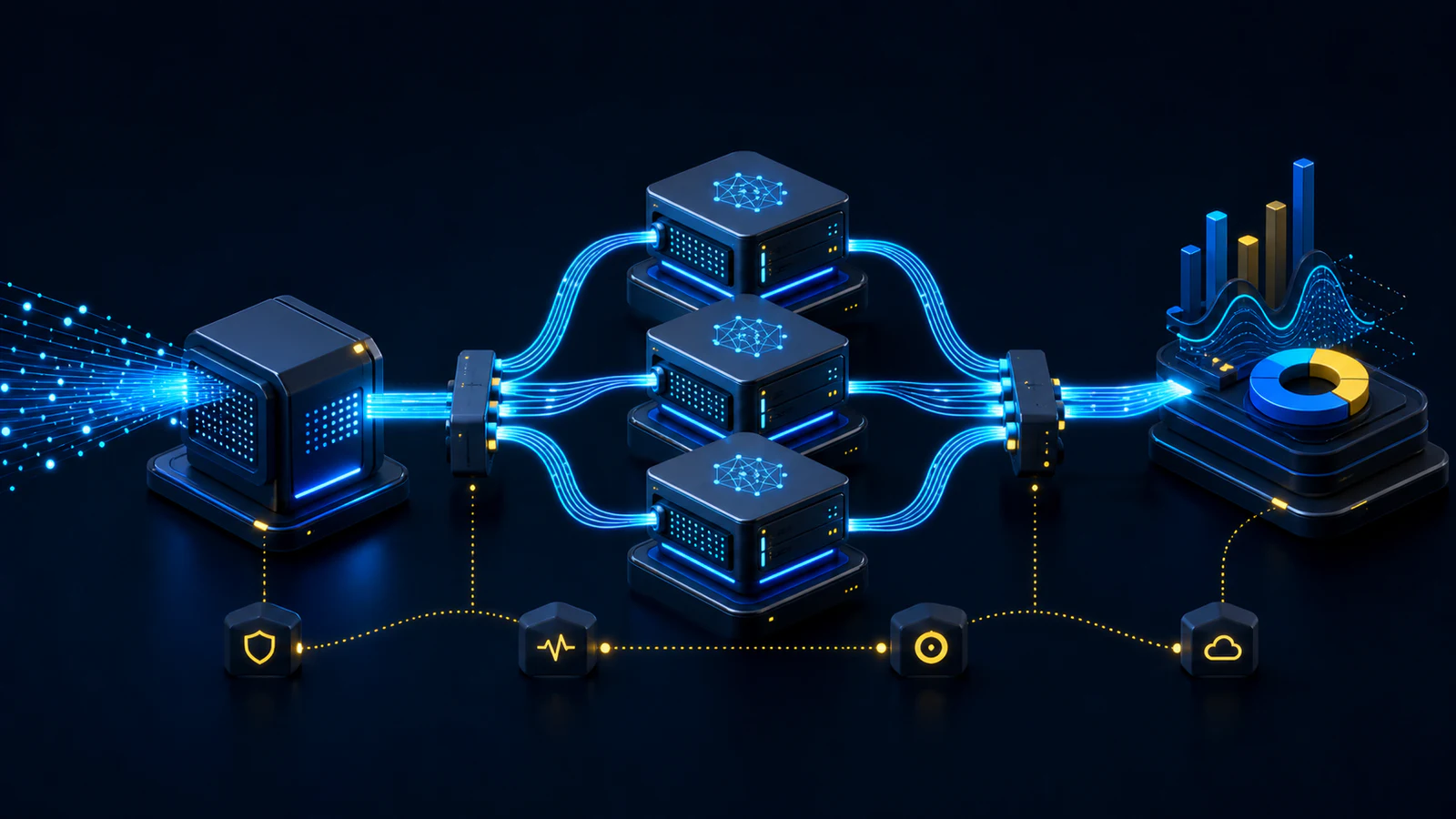
Inside a Production Model-Serving Stack
A production AI endpoint needs routing, model workers, scheduling, observability and controlled releases. Each layer must protect response quality while using available accelerator capacity efficiently.

Predictive Operations for AI and HPC Infrastructure
AI and HPC systems produce many repeated events around a smaller set of real risks. Predictive operations needs evidence control, pattern learning and bounded action paths.
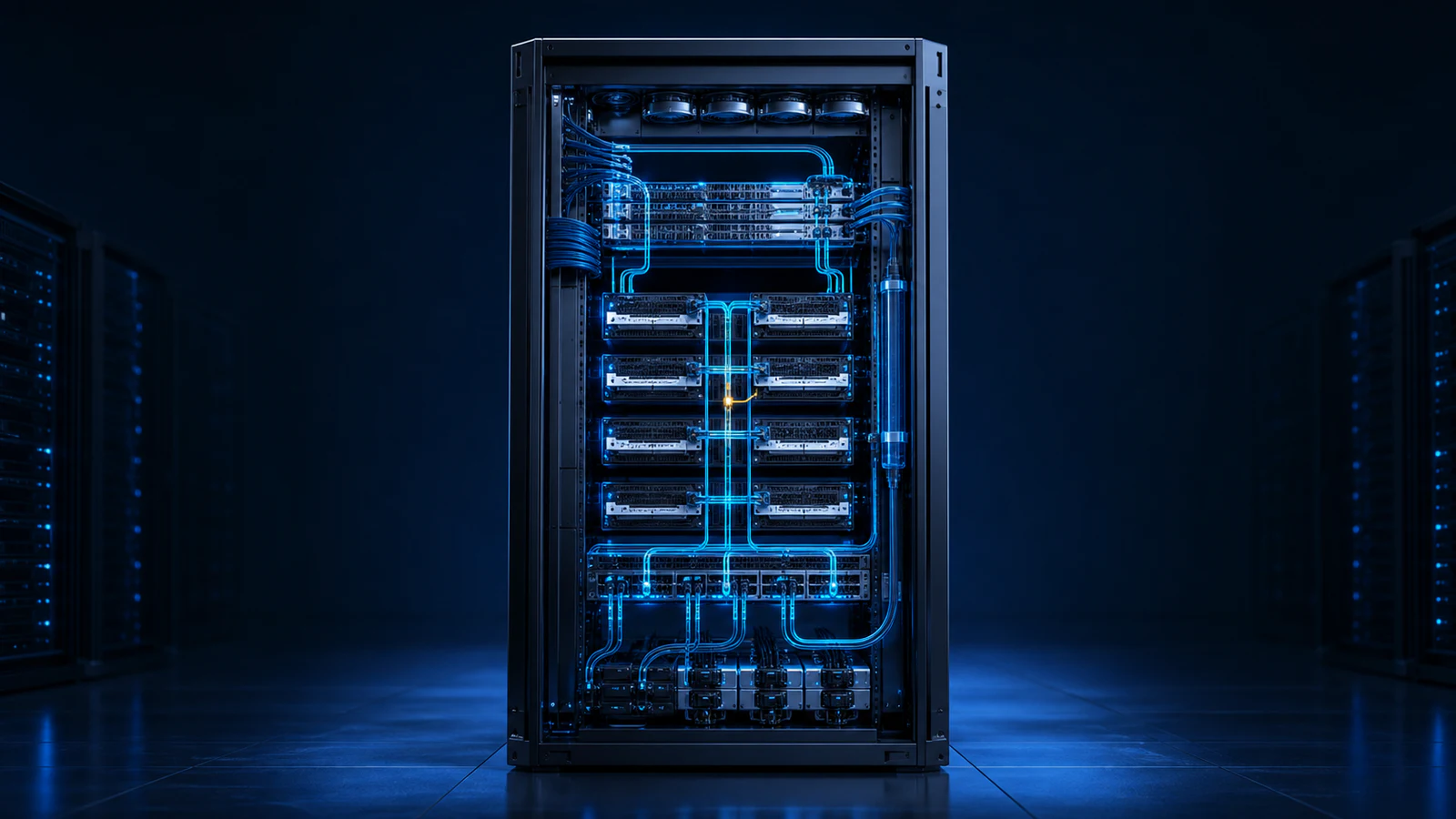
Why AI Infrastructure Is Moving to Rack-Scale Systems
Modern AI clusters depend on compute, network, cooling and power as one system. Rack-scale design makes these dependencies explicit before equipment reaches the data center.

Local LLMs Are Turning AI Inference Into Distributed Infrastructure
Enterprise AI is moving beyond cloud-only inference. Local LLMs, edge servers and private GPU clusters are becoming a distributed operating layer for AI workloads.

Enterprise AI Needs Trusted Knowledge, Not Just Bigger Models
Bigger models do not solve enterprise knowledge problems by themselves. AI systems need verified sources, permissions, freshness, provenance and transparent retrieval.

Power and Cooling Are Becoming the Real AI Compute Bottleneck
AI compute is no longer constrained only by GPU supply. Power, grid capacity, cooling, placement and operations are becoming the hard limits behind scalable AI infrastructure.
Learning tracks
Choose the domain behind your next initiative
Each topic is a path into one part of the Chainzano portfolio, from GPU capacity planning and Hardware delivery to infrastructure control, protected networking and data workflows.
AI Compute
Enterprise GPU capacity, inference operations and governed AI infrastructure.
AI Operations
Capacity, reliability, cost and risk control for AI and HPC infrastructure.
AI Software
Model preparation, serving, resource control and software layers for production AI.
Company
Chainzano product direction, announcements and operating notes.
Decentralized Data
Durable records, data ownership, proofs and compute-ready data workflows.
Digital Identity
Identity, verification and authorization workflows for Web2 and Web3 systems.
HPC Hardware
Accelerators, networks, storage, power, cooling and cluster delivery for AI and HPC systems.
Privacy Networking
Protected connectivity, private access and network-level privacy patterns.
Tokenized Assets
Asset-linked data, identity, ownership and tokenization-ready infrastructure.
Latest lessons
New guidance for practical infrastructure decisions
Follow new materials as Chainzano publishes implementation notes, adoption guides and market education around connected digital infrastructure.

Choosing AI Precision: BF16, FP8, INT8 and INT4
Lower numeric precision can reduce memory use and increase throughput, but each format changes model quality, hardware support and operating risk. Selection requires measured evidence.
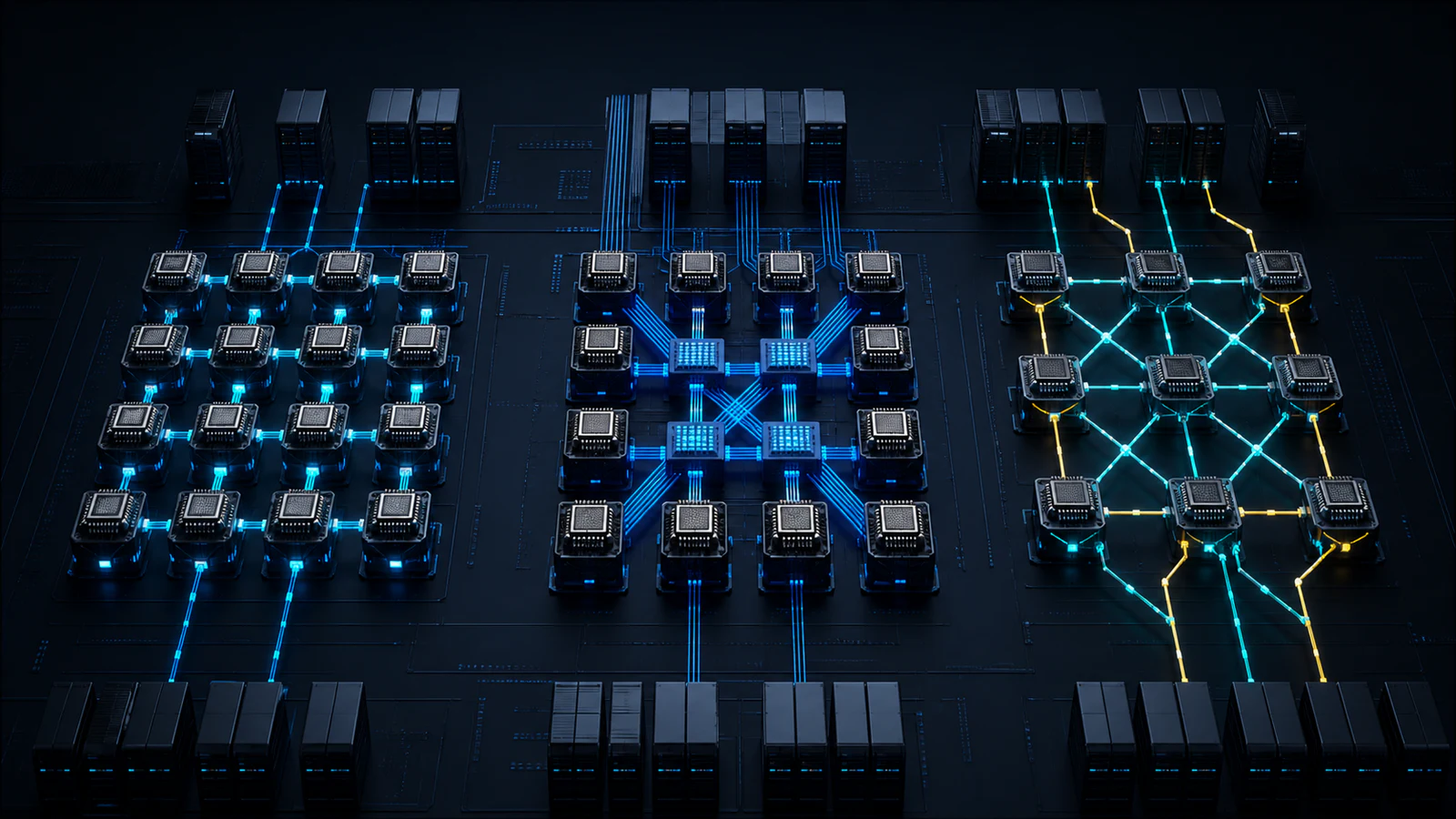
How GPU Fabrics Scale: NVLink, InfiniBand and Ethernet
AI clusters use several network layers for different distances and traffic patterns. A sound fabric design matches each layer to the workload, topology and growth plan.

How to Commission an AI and HPC Cluster
Commissioning turns installed equipment into accepted capacity. A structured test sequence proves physical safety, component health, fabric performance, workload behavior and recovery before service starts.
Inside a Production Model-Serving Stack
A production AI endpoint needs routing, model workers, scheduling, observability and controlled releases. Each layer must protect response quality while using available accelerator capacity efficiently.

Measure Useful AI Capacity, Not GPU Activity
A busy accelerator does not prove that an AI service meets its goal. Capacity planning must connect infrastructure use with completed work, latency, quality and demand.
Predictive Operations for AI and HPC Infrastructure
AI and HPC systems produce many repeated events around a smaller set of real risks. Predictive operations needs evidence control, pattern learning and bounded action paths.

Sharing GPUs Without Losing Control
Shared accelerator pools can improve use and access, but isolation, placement and service policy must remain clear. The correct method depends on workload behavior and risk.

Storage Must Keep Expensive Accelerators Fed
Fast accelerators cannot deliver useful performance while they wait for data. Storage design must follow the complete path from source data to memory, checkpoints and results.
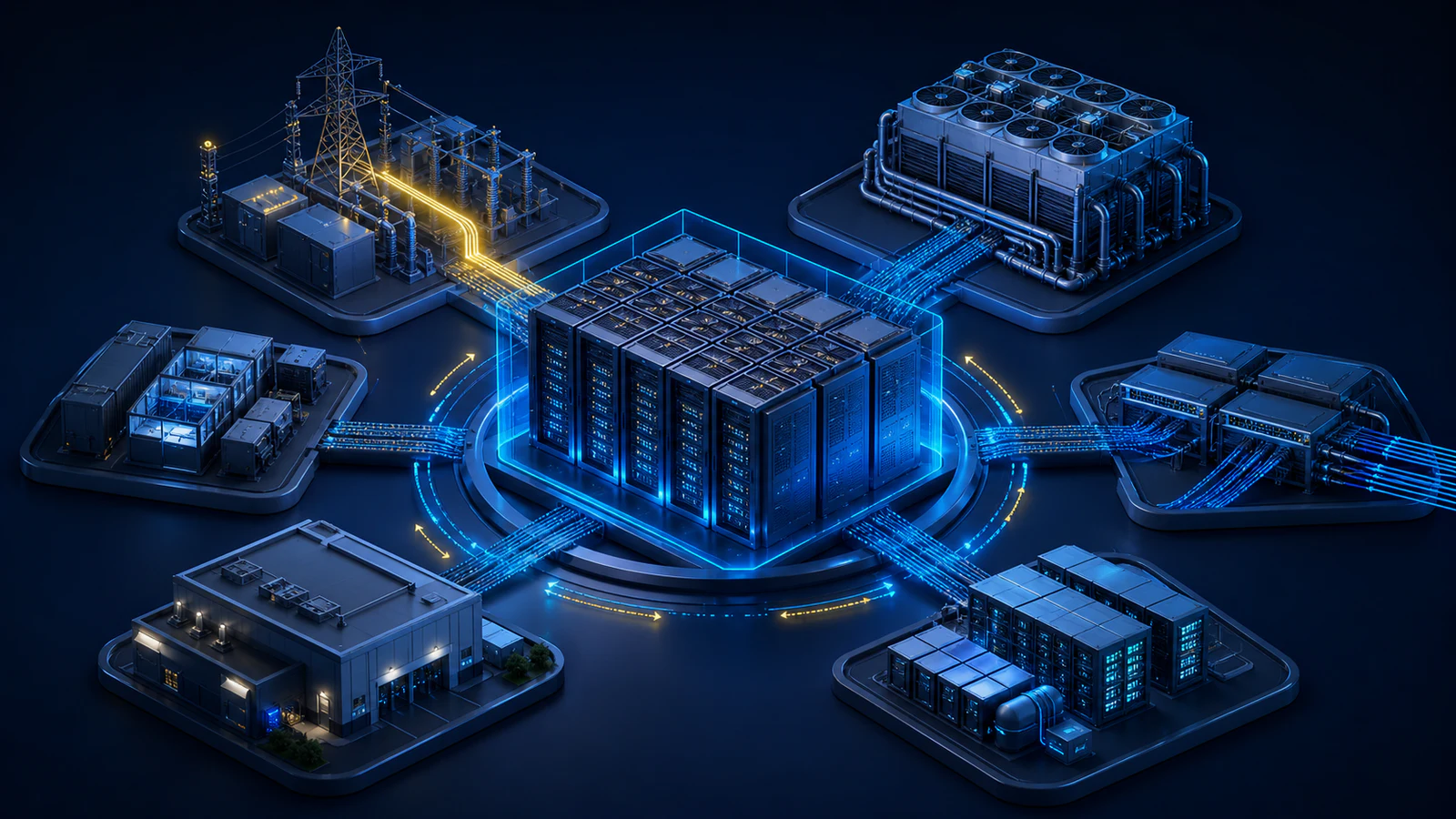
What the Full Cost of AI Infrastructure Includes
Accelerator price is only one part of an AI platform budget. Power, cooling, network, storage, facilities, software, people and idle risk shape the full cost.
Why AI Infrastructure Is Moving to Rack-Scale Systems
Modern AI clusters depend on compute, network, cooling and power as one system. Rack-scale design makes these dependencies explicit before equipment reaches the data center.

Private Knowledge Is the Missing Layer for Local LLMs
Local LLMs need more than model weights. They need trusted, permission-aware private knowledge that can be retrieved close to the user, workflow and data.

Distributed Inference Is an Orchestration Problem, Not Just a GPU Problem
Adding GPUs is not enough for scalable AI inference. Distributed inference needs routing, telemetry, cache awareness, local data access and controlled fallback paths.