- Model capital, facility and operating costs in one system view.
- Include delivery time and site constraints before purchase approval.
- Measure cost against useful service capacity and quality.
- Plan support, upgrades and retirement from the start.
An accelerator quote is visible, precise and incomplete. The device needs a server, fabric, storage, power, cooling, floor space, software and people. It may also need months of site work before it can produce the first result. These costs belong to the same investment decision.
A full cost model gives finance, infrastructure and service teams one set of assumptions. It connects purchase options with the capacity the organization can actually deliver. It also exposes constraints that can change the design before contracts are signed.
Start with the complete hardware block
Compute cost includes accelerators, CPUs, memory, local storage, chassis and management components. A usable cluster also needs switches, network adapters, transceivers, cables, shared storage, racks, power distribution and cooling equipment. Spares and diagnostic tools should be included where recovery time matters.
Quotes must use the same boundary. One proposal may include rack integration and fabric, while another lists only servers. Taxes, logistics, insurance, import work and currency risk can also affect delivered cost. A normalized bill of materials makes options comparable.
Facility work can control the schedule
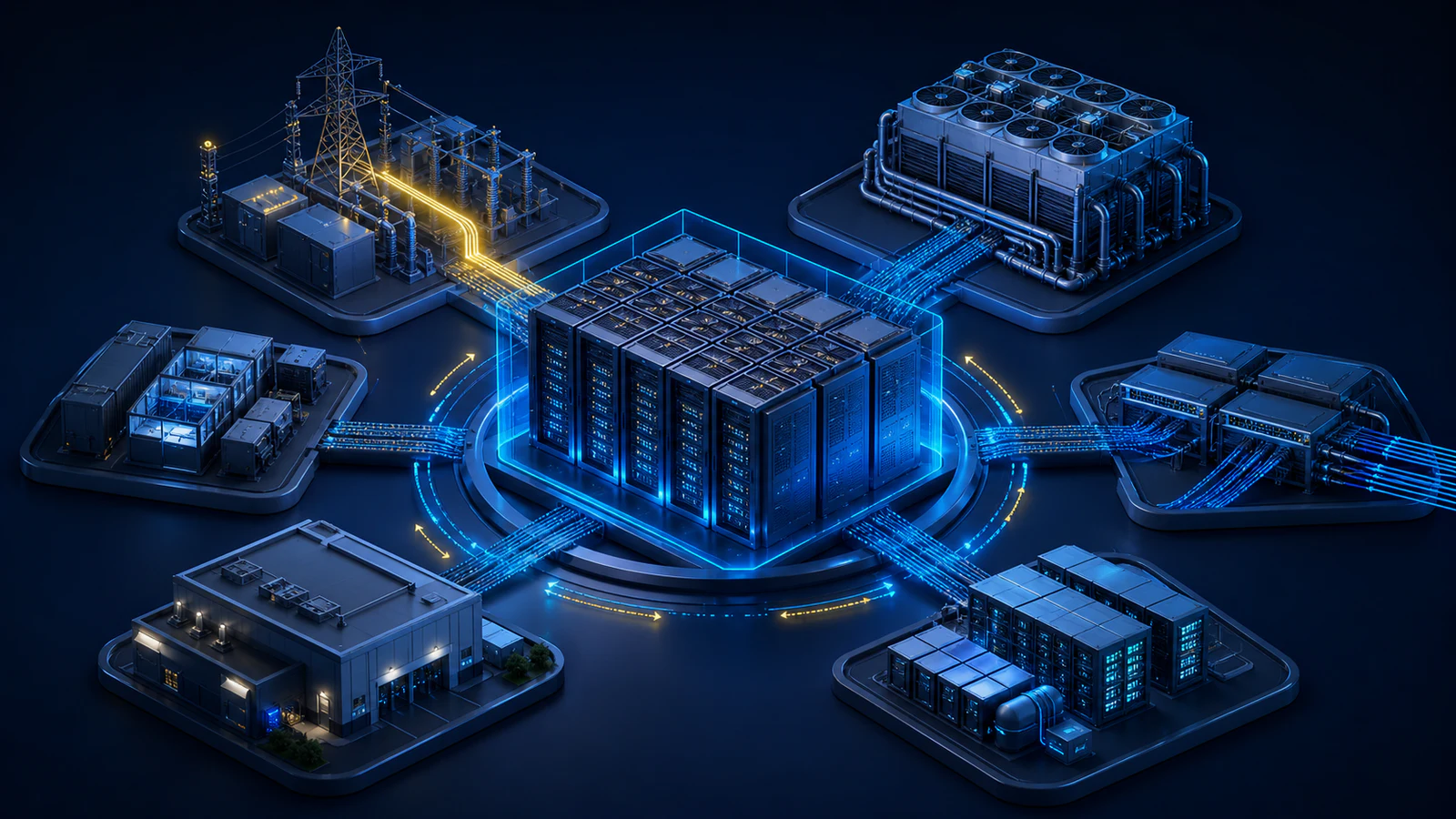
High-density AI systems may require new power feeds, transformers, switchgear, cooling distribution units, pipework, heat rejection and reinforced floor areas. The facility may need monitoring, leak response, fire protection changes and maintenance access. Design and permit work can begin before final equipment delivery.
Schedule has a cost. Equipment that waits for site readiness can age before use and consume warranty time. A late network or cooling component can delay the complete platform. The cost model should include dependencies, decision dates and the financial effect of delayed capacity.
Power and cooling continue for every workload
Operating energy includes compute, network, storage and cooling. Nameplate power is useful for facility design, but actual cost depends on workload, use, local rates and efficiency. Short peaks can affect contracted demand charges. Idle systems still consume energy and may require the same cooling support.
Teams should model several use levels and expected workload mixes. Training, inference and development produce different power profiles. Facility efficiency changes through seasons and load ranges. Measurements after commissioning should replace estimates and improve the next capacity plan.
Software and people determine delivered capacity
The platform needs operating systems, drivers, schedulers, model servers, monitoring, security, backup and automation. Some licenses follow nodes, devices, cores or consumed capacity. Integration and upgrade work continues after the first release.
Skilled people design, commission and operate the system. Teams need coverage for hardware support, network, storage, AI runtime, security and service ownership. Training, on-call time and vendor coordination are real operating costs. Weak operations can leave purchased capacity unavailable or unsafe to use.
Use and risk change unit economics
A platform with high purchase value can have a competitive unit cost when it delivers steady useful work. The same platform becomes expensive when jobs wait for data, services are over-reserved or failures leave devices idle. Utilization must be interpreted beside completed work, latency and quality.
The model should include maintenance windows, expected failures, spare capacity and demand uncertainty. It should also include data protection and recovery. A cheaper design with a long recovery time may create a higher business risk than a system with planned redundancy and support.
- Compare cost per accepted request, training run or business workload.
- Include a reserve for growth, failure and maintenance.
- Record assumptions for energy, use and service life.
- Review actual cost and capacity after each expansion.
How Chainzano controls lifecycle cost
Chainzano manages the path from requirements and equipment selection through delivery, installation, commissioning and support. We connect the bill of materials with site limits and acceptance tests. This reduces late changes and gives the customer a clear operating baseline.
NAIM adds control for connected AI capacity. It manages nodes, models and workloads through desired state and exposes runtime status. This helps teams measure which installed resources deliver service and plan upgrades from real evidence. Cost then remains connected to capacity throughout the platform lifecycle.
Compare delivery models on the same basis
Organizations can buy infrastructure, lease capacity, use a managed facility or combine local and external resources. Each option moves cost and responsibility between teams. A fair comparison uses the same workload, quality, availability, data boundary, contract period and growth assumptions. It also includes transfer cost, integration work and the time needed to make capacity available.
Ownership can provide control and stable long-term capacity when demand is known. External capacity can reduce the first commitment and support short peaks. A mixed model may keep sensitive or steady work on controlled infrastructure and use external resources for approved variable demand. The decision should state exit conditions, data movement limits and how workloads return after a provider or contract change. This prevents a low initial price from hiding later operating constraints.
The cost model should be updated with invoices and service measurements after launch. Compare actual energy, support effort, use and completed work with the approved case. Differences reveal whether demand, software efficiency or facility assumptions changed. This review improves future purchase decisions and gives business owners a clear reason for optimization or expansion. It also creates an evidence base for contract renewal, retirement and resale decisions at the end of the planned service period. Retained data should use the same accounting boundary for every review. A named owner should approve changes to shared assumptions and explain their full expected financial effect to every affected service owner and responsible, approved project budget holder.